
Debunking common myths about gambling what you need to know
The Randomness of Gambling Outcomes
One of the most pervasive myths about gambling is that outcomes can be influenced or predicted. Many gamblers believe that if they study patterns or past results, they can gain an edge. However, most gambling games, especially those involving slot machines and roulette, rely on random number generators that ensure each outcome is entirely independent of previous results. This means that every spin, card dealt, or roll of the dice is a unique event, unaffected by any prior plays. Using a platform like payid online casino provides additional resources that highlight the importance of understanding these concepts.
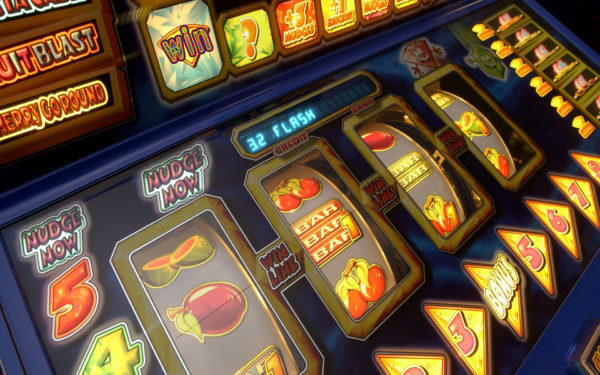
This understanding is crucial, as it emphasizes the importance of viewing gambling as entertainment rather than a reliable way to make money. Recognizing that games are designed to be random can help mitigate feelings of frustration or disappointment that arise from chasing losses or trying to recoup past bets.
The Illusion of “Hot” and “Cold” Machines
Another common misconception is the idea of “hot” and “cold” machines, particularly in the context of slot games. Players often believe that certain machines are on a winning streak, while others are due for a payout. This belief can lead to the assumption that one should only play “hot” machines for a better chance at winning. In reality, each machine’s payouts are determined by algorithms that do not adhere to any pattern. Just like any game of chance, each machine has the same odds regardless of its recent performance.
Understanding this can help gamblers avoid making decisions based on superstition rather than the reality of how games operate. This recognition is vital for fostering a healthy relationship with gambling, allowing individuals to engage without the pressure of misinformed strategies based on faulty assumptions.
The Myth of Skill-Based Gambling
While some gambling activities, like poker, involve an element of skill, many people mistakenly believe that skills can be applied to all forms of gambling to achieve consistent success. For example, in games such as blackjack, players can use strategies to improve their odds, but this does not guarantee wins. The house edge remains a fundamental aspect of most gambling games, ensuring that the casino ultimately benefits over time.
It is essential for gamblers to understand the distinction between skill-based and luck-based games. Recognizing which games require skill and which rely purely on chance can lead to more informed choices and better expectations regarding potential outcomes, reducing the likelihood of significant losses fueled by misplaced confidence in one’s abilities.
The Role of Gambling Addiction and Its Misconceptions
Gambling addiction is often misunderstood, with many people thinking it only affects a specific demographic. In reality, problem gambling can impact anyone, regardless of age, gender, or socioeconomic background. The myth that gambling addiction is a failure of character perpetuates stigma and prevents individuals from seeking help. Understanding that addiction is a psychological issue rooted in various factors is crucial for addressing the problem effectively.
Raising awareness about the signs of gambling addiction can facilitate timely intervention and support for those in need. By debunking myths surrounding addiction, we can create a more compassionate environment for individuals struggling with gambling-related issues, ultimately helping them find healthier outlets and recovery paths.
Exploring Online Gambling Resources
For those looking to engage in gambling responsibly, there are numerous online resources available that provide valuable information. Websites dedicated to discussing gambling myths, offering insights on responsible gaming, and showcasing the latest trends in online casinos can be incredibly helpful. These platforms can guide users in making informed choices, understanding games better, and recognizing when to seek assistance.
By exploring reputable resources, players can cultivate a more balanced approach to their gambling experiences, ensuring that their engagement remains fun and enjoyable. Staying informed about the realities of gambling will ultimately enhance one’s overall experience and mitigate the risks associated with it.